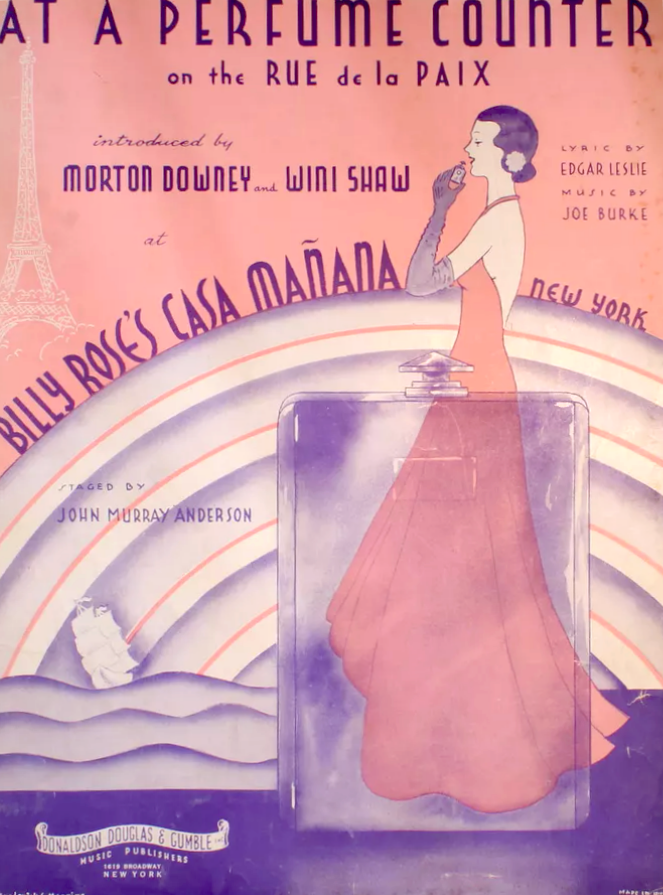
I came across this image during a completely unrelated search, and since it was totally unfamiliar to me (and it doesn’t seem to have been discussed by any internet perfume-lovers until now!), I had to do a little unscheduled research.
This sheet music from 1938 offers an at-home musical arrangement for a big-band song written by lyricist Edgar Leslie and composer Joe Burke. Leslie and Burke collaborated on several songs in the Thirties, including “Moon Over Miami” and “It Looks Like Rain in Cherry Blossom Lane.” (Leslie was already known for hits like “For Me and My Gal,” and Burke’s “Tiptoe Through the Tulips” would prove to be even more enduring.)
You can listen to a later recording of the song here (the vocals begin at 1:30, after a lengthy instrumental intro!).
Here are the complete lyrics.
…
Paris was a paradise, a treat for the eye
Upon a sunny afternoon
I beheld an Angel who had dropped from the sky
You vanished all too soon
Delightful was the day
In gay Paris
I gave my heart away
Oui, oui, Chéri
At a perfume counter
On the Rue de la Paix
The flower-scented air
In gay Paris
Encouraged me to care
Oui, oui, Chéri
At a perfume counter
On the Rue de la Paix
The conversation was blended
With romance in May
But your vacation soon ended
And you went away
If you remember this
Come back to me
And say it with a kiss
Oui, oui, Chéri
At a perfume counter
On the Rue de la Paix
…
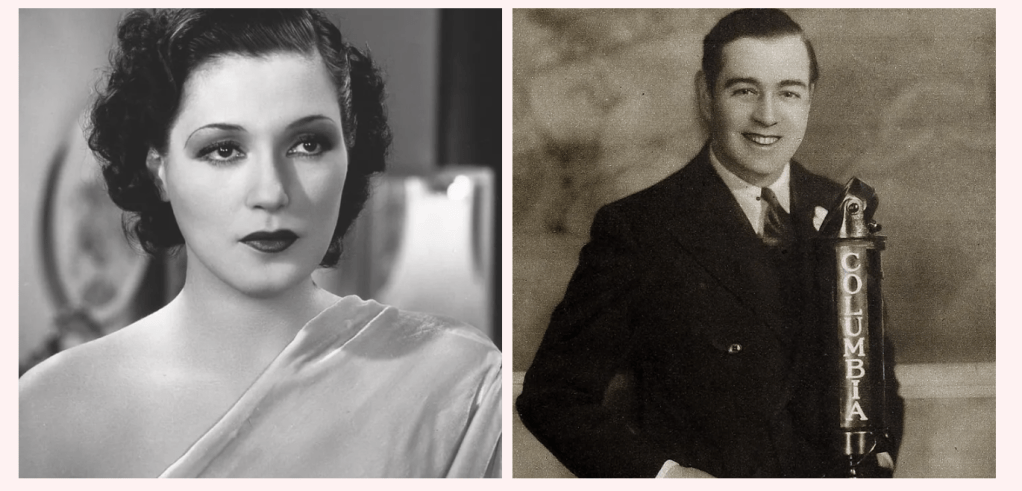
I needed to know even more, naturally, so here’s more information I gathered to answer any lingering questions…
Who on earth are Morton Downey and Wini Shaw? Two singers who, apparently, gave the first public performance of this song. Shaw was a Hawaiian-born entertainer who rose from vaudeville to Hollywood as an actress and singer. Downey, known as “The Irish Nightingale,” gained fame as a vocalist on the radio and on stage. (And yes, he was the father of “shock jock” Morton Downey, Jr.)
Now I’m wondering whether this song was was a duet of sorts. Perhaps Downey sang the opening lines about seeing an angel, and Shaw took over later, singing as the shop-girl longing for her springtime love when he leaves the City of Light? (That would mean changing “Chéri” to “Chérie” in some spots, of course…)
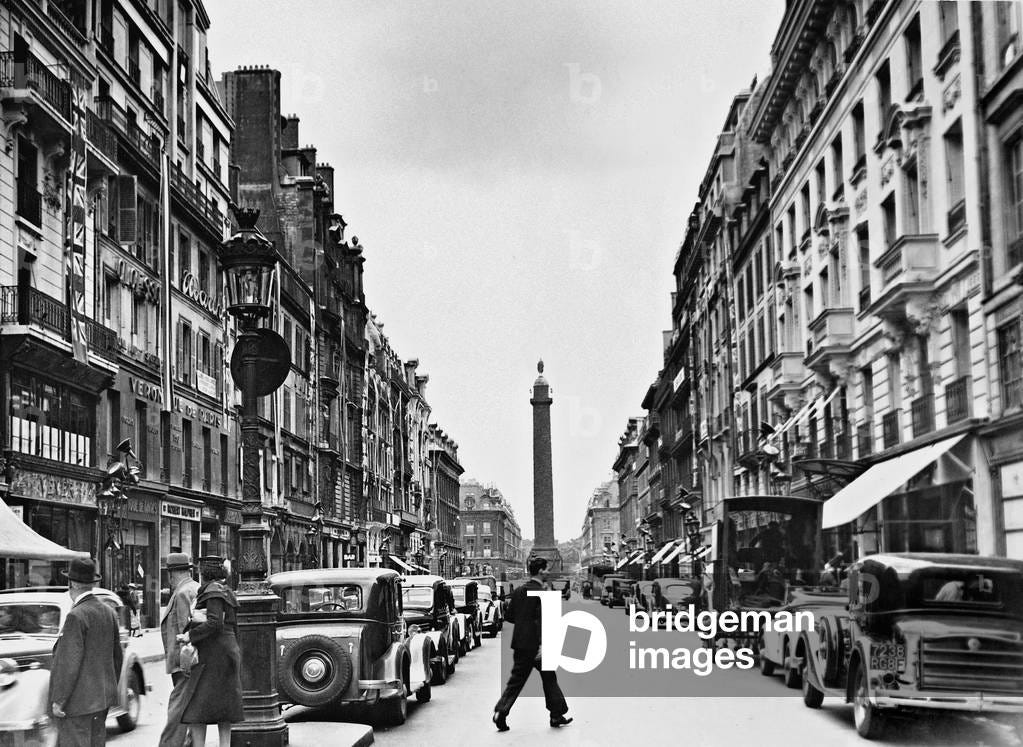
Where is the Rue de la Paix? The Rue de la Paix runs between the Place Vendôme (with its famous column monument) and the Opéra Garnier in Paris’s 2nd arrondissement. Many early couture houses (Worth, for example) set up their headquarters in elegant shops along the Rue de la Paix. So did jewelers, like Cartier. An address on this avenue has been a mark of prestige for fashion brands and other luxury goods businesses since the mid-1800s
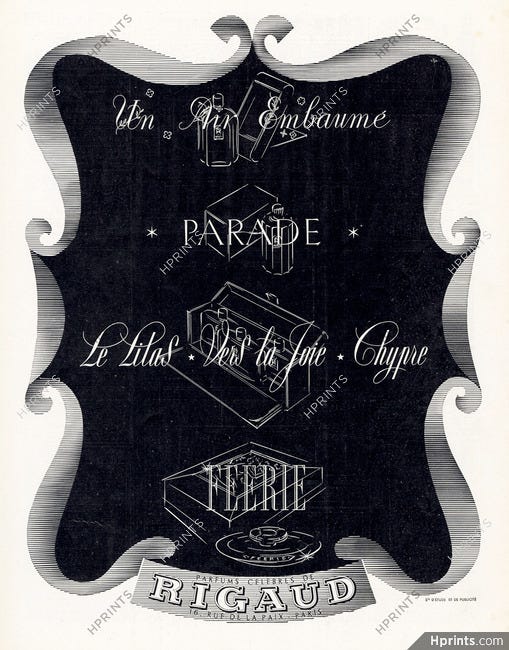
Were there really perfume shops on the Rue de la Paix? Yes! Dana, Rigaud, and Guerlain, to name just a few, were represented by boutiques on this chic street. Many fashion houses, taking inspiration from Chanel, were also selling their own fragrances by the 1930s. We’ll never know exactly which perfume counter inspired the song…
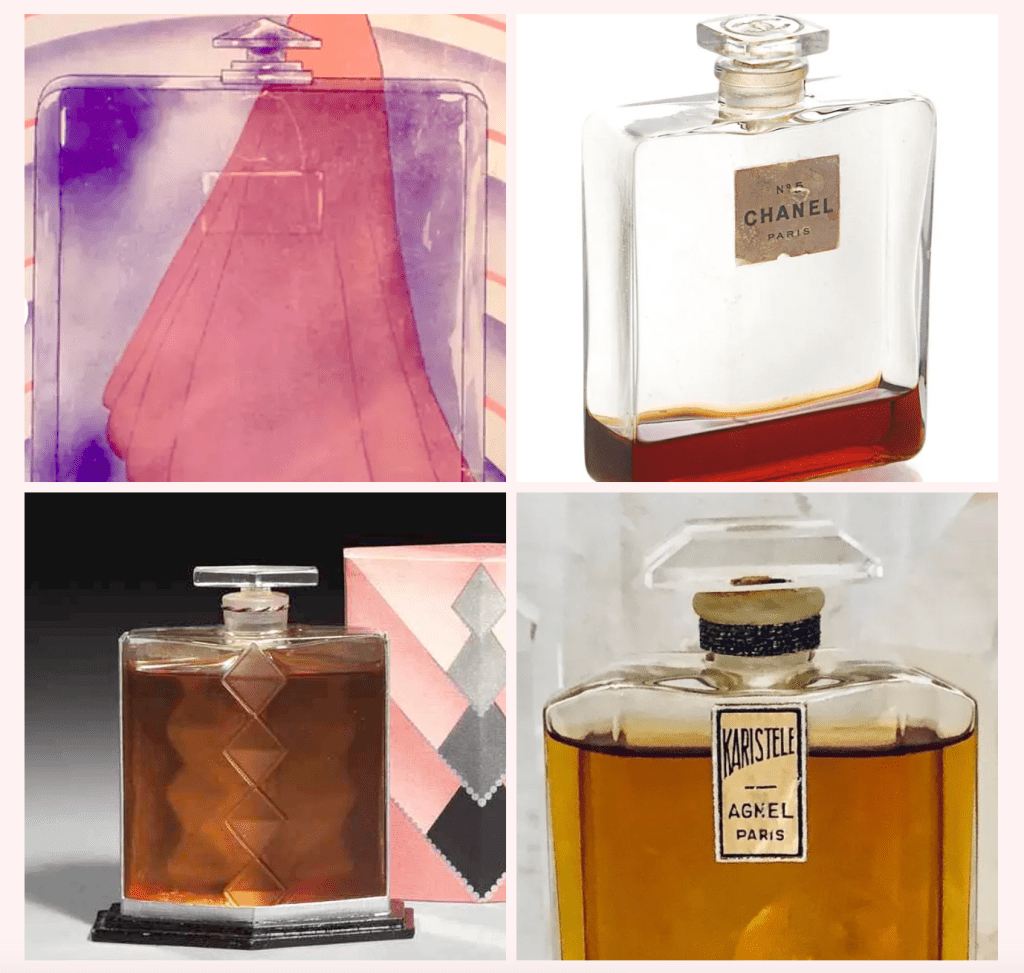
What’s that perfume bottle? Speaking of Chanel, illustrator Frederick S. Manning might have been inspired by the rectangular-bodied, small-stoppered original No. 5 bottle when he sketched this cover for the sheet music. Then again, quite a few other fragrance brands had been inspired by the minimalist-chic of the Chanel design by the 1930s.
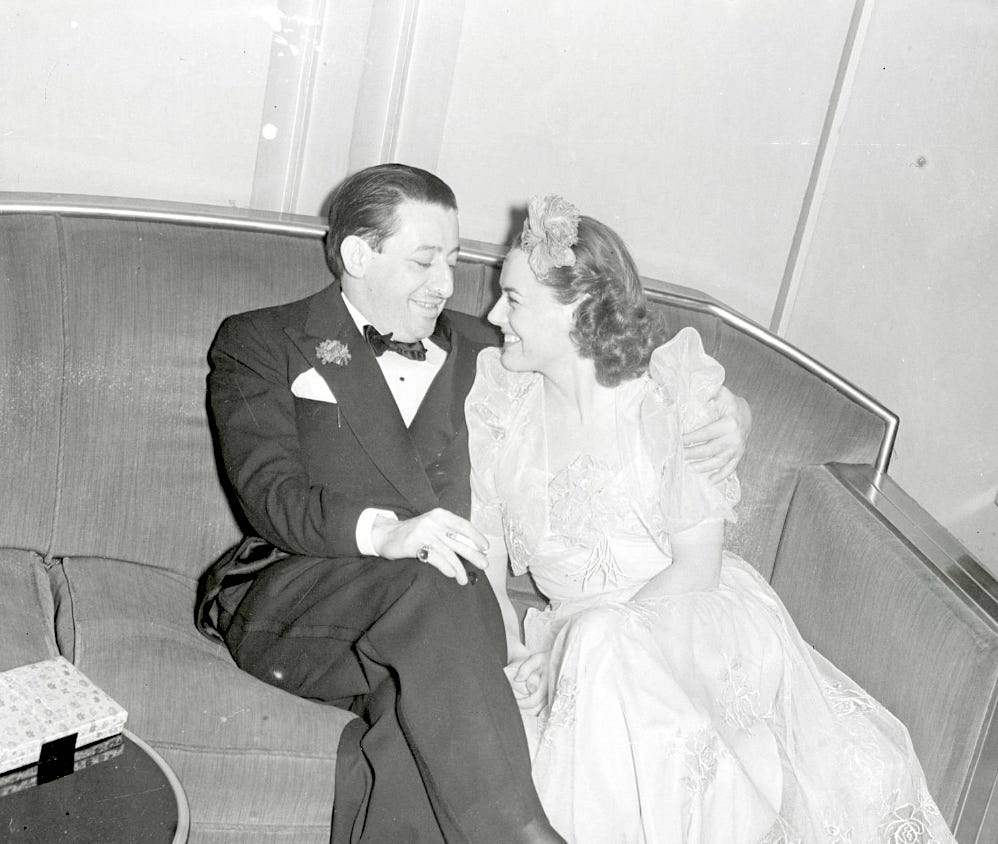
Who was Billy Rose? He became a household name as a Broadway producer and a theater/nightclub owner and was a major force in live entertainment from the 1930s through his death in 1966. He’s pictured here at the opening of Casa Mañana with his girlfriend (and future wife), the competitive swimmer and actress Eleanor Holm.
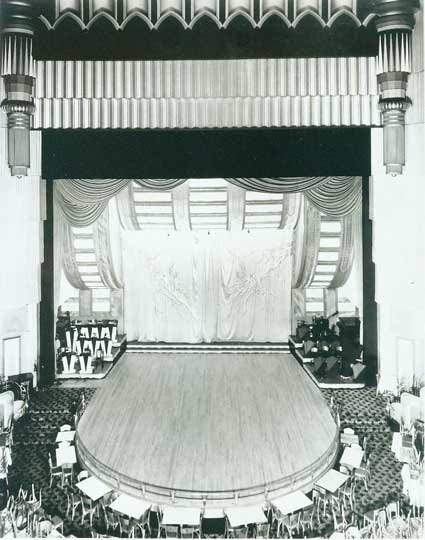
What was Casa Mañana? It was one of Billy Rose’s properties, in operation from January 1938 to May 1939. Its original theater interior had been renovated to feature a stage projecting out onto a floor filled with table seating, so guests could drink and dine while enjoying the evening’s program. On June 13, 1939, The New York Times reported, “Billy Rose announced yesterday that he was vacating the Casa Mañana, Fiftieth Street and Seventh Avenue, and that the premises, formerly the Earl Carroll Theatre, would revert to the landlords, Shapiro & Blumenthal.”
A bygone moment in New York City culture…!
Thanks for reading (and listening).
And, now as always, please link and credit me if you are inspired to mention this topic elsewhere on the internet.
 PERFUME PROFESSOR (